GPS Rewards Catalog Redesign

The Challenge

Galactic’s merchandise catalog served as a key touchpoint in employee incentive programs, but its outdated structure and limited filtering options were creating friction in the user journey. Previous attempts to optimize the catalog through third-party partners failed to deliver measurable improvements in engagement or conversion.


The Solution

The catalog redesign aimed to optimize the user journey and increase engagement with merchandise offerings. By leveraging competitive benchmarking and user-centered design principles, the project focused on improving navigation, discoverability, and relevance of content for targeted user segments.


My Role:

Information Architecture, User Task flows, Wireframes, Prototyping


Tools:

Illustrator, Axure, Adobe XD, Photoshop


Client:

Galactic Performance Solutions

Competitive Analysis and Research

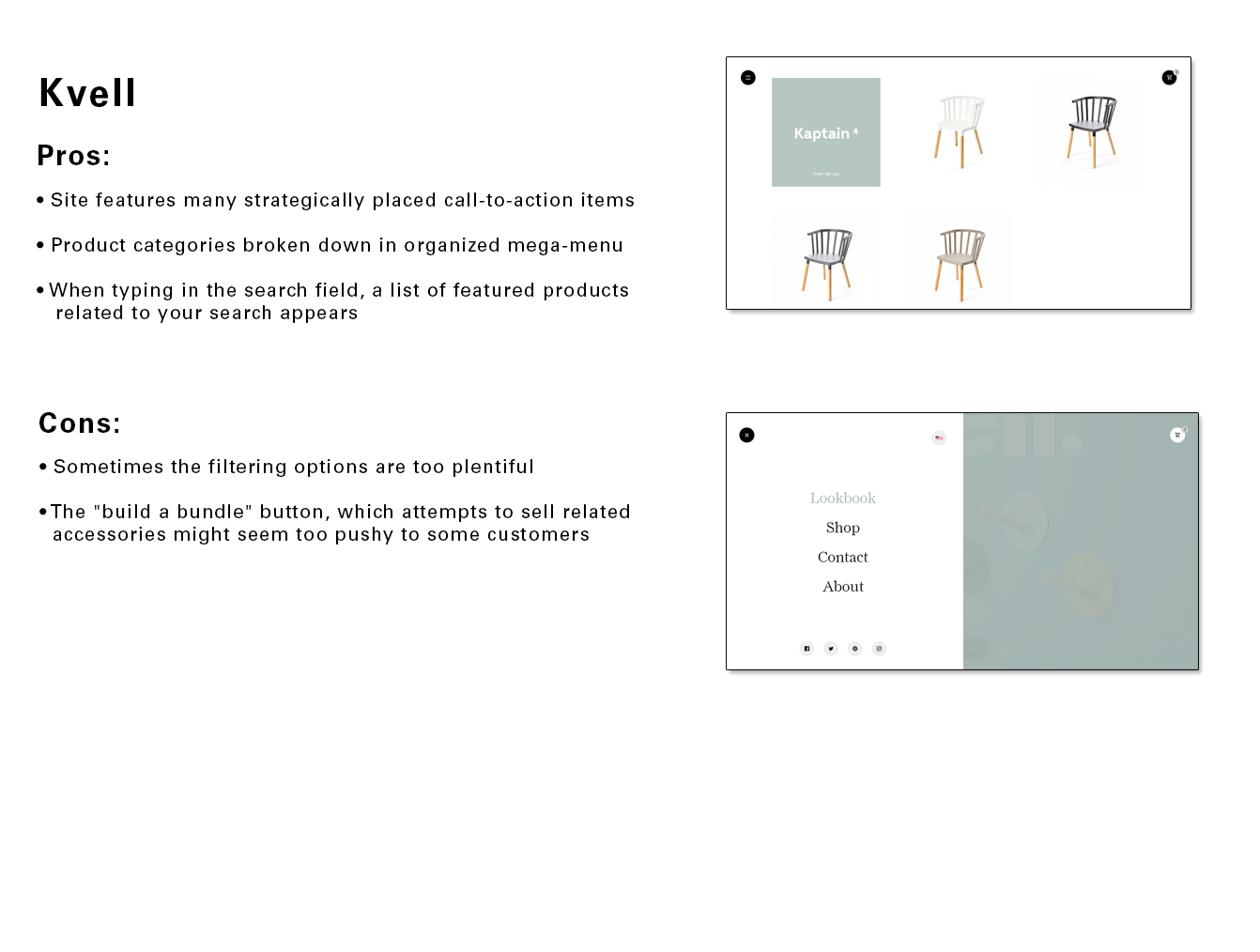
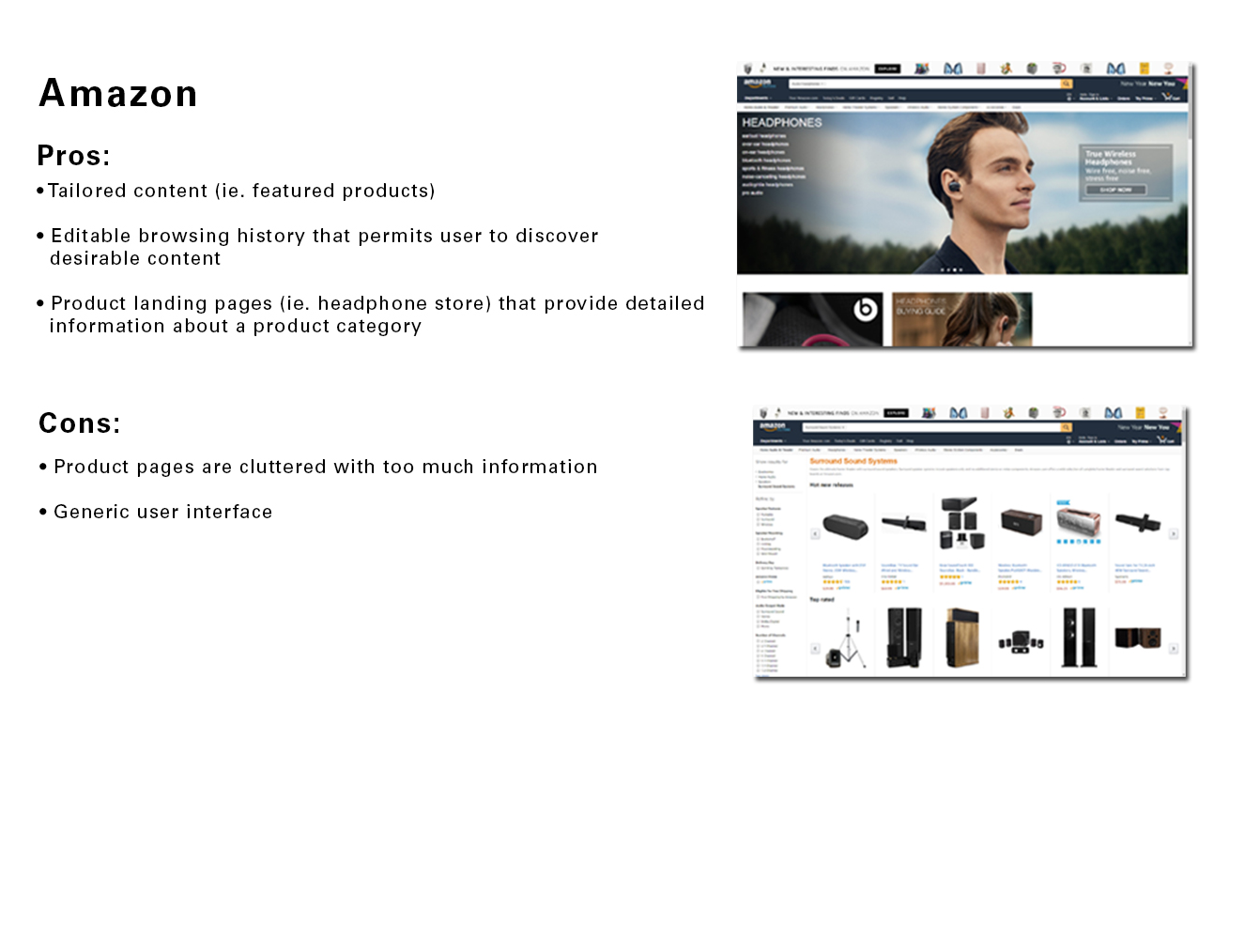
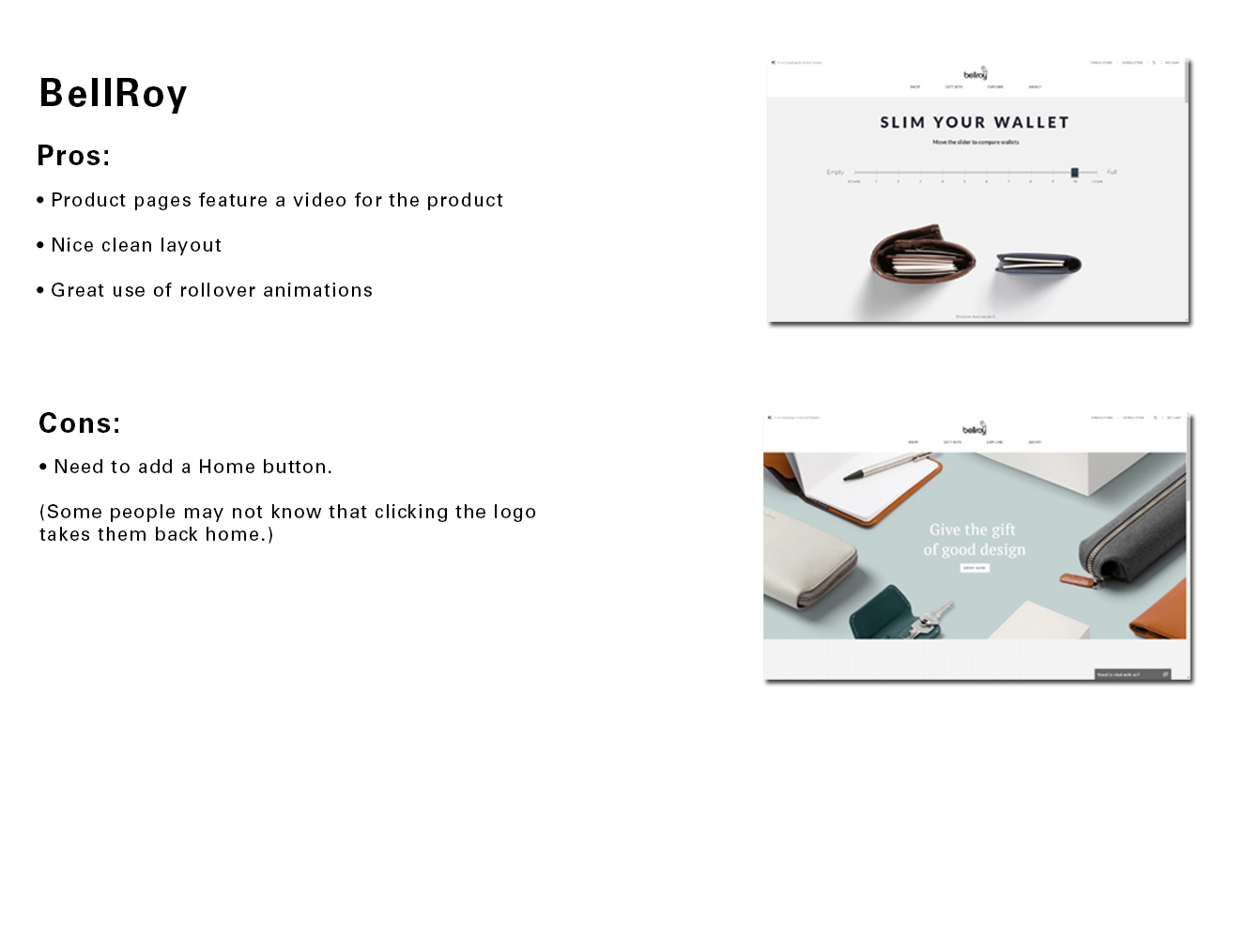
Analysis of two major e-commerce competitors and one niche site identified patterns in navigation, filtering, and product presentation that correlate with higher conversion rates and lower bounce rates. Insights informed the selection of features such as a mega menu and contextual filtering, prioritized based on potential impact on engagement metrics.
Summary:
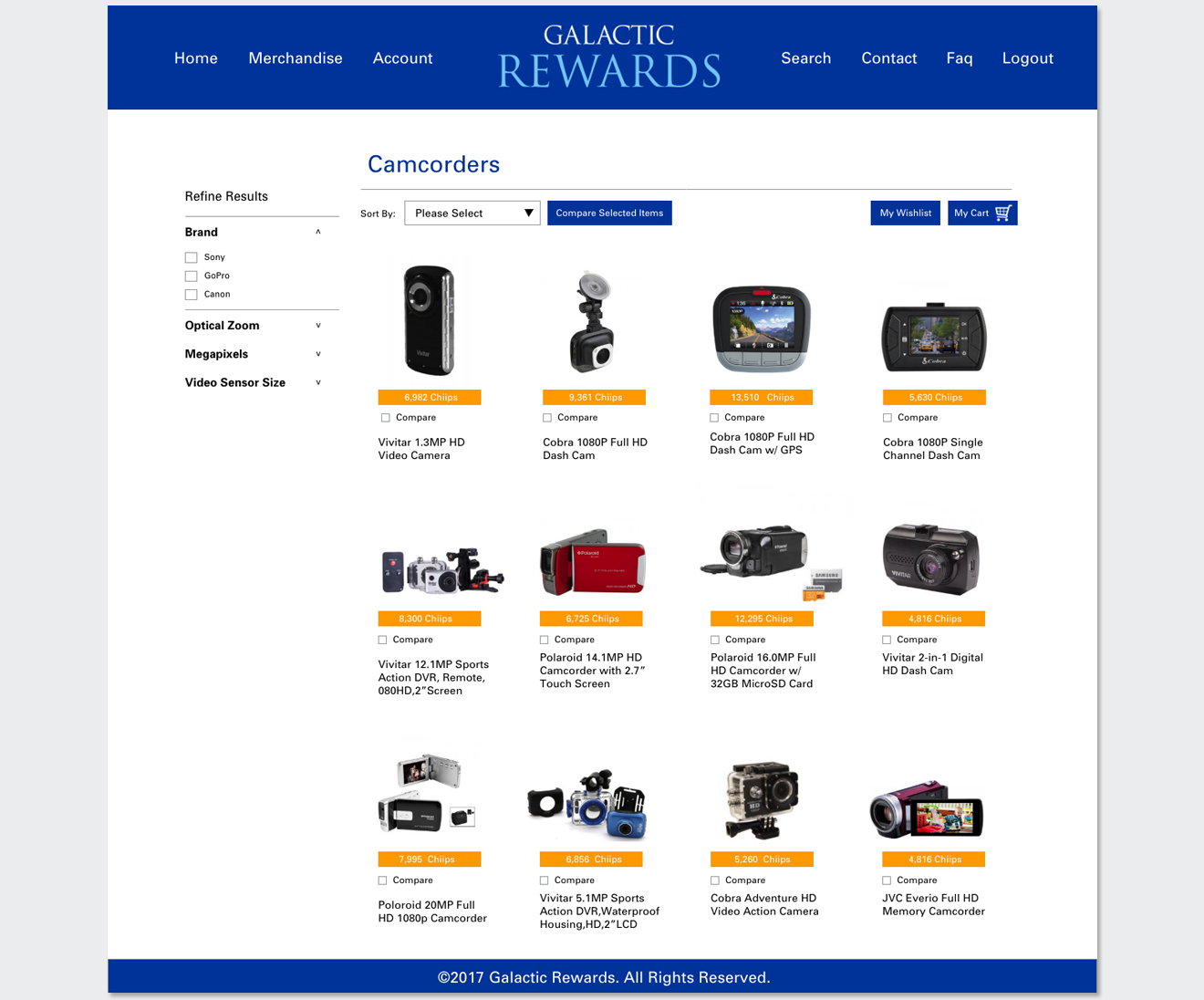
After evaluating the competition, the marketing team had a decent list of features that would significantly improve the online catalog. In addition to a mega menu, the team decided that well-placed filters would greatly improve the user experience.
User Task Flows

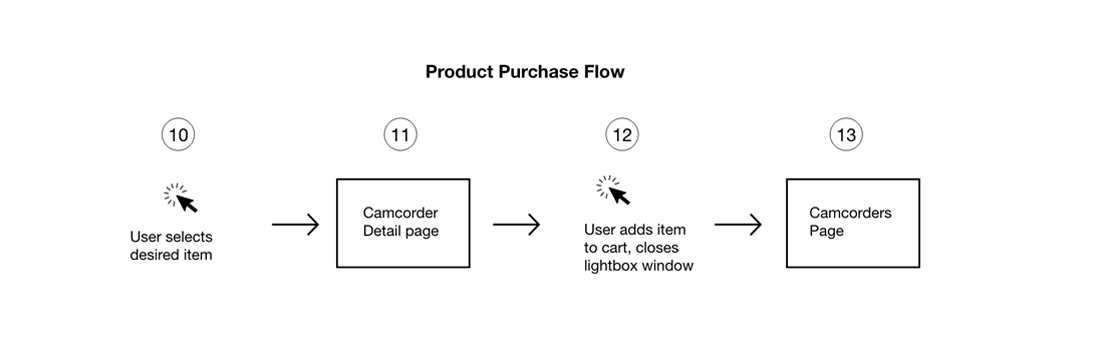
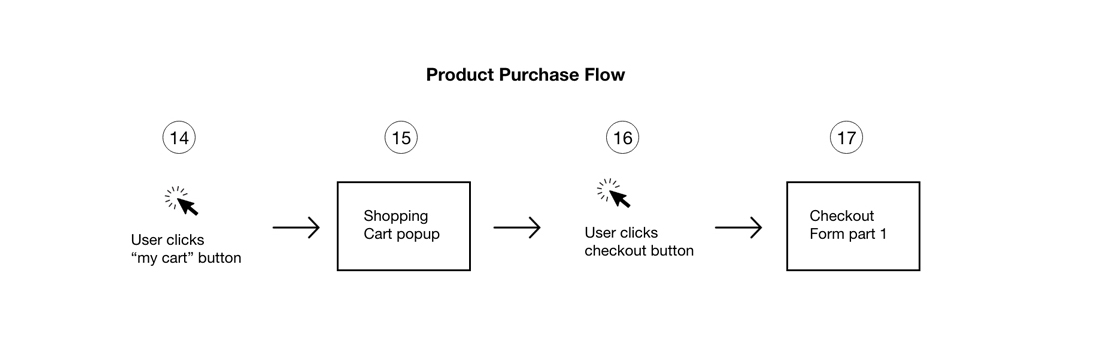
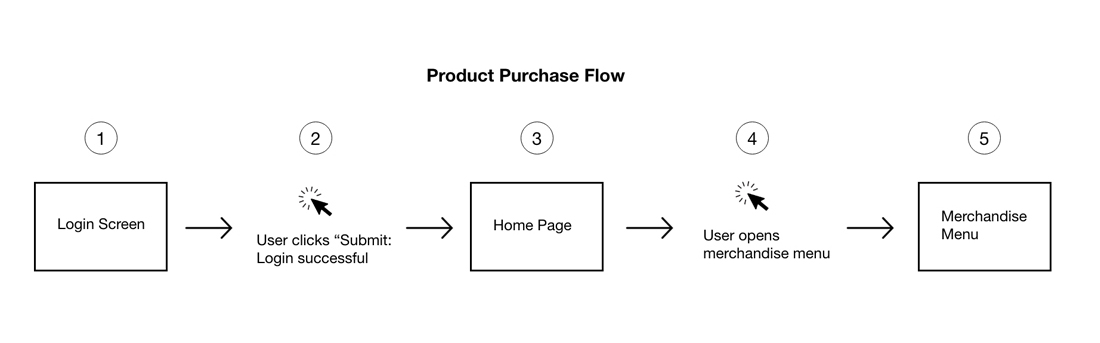
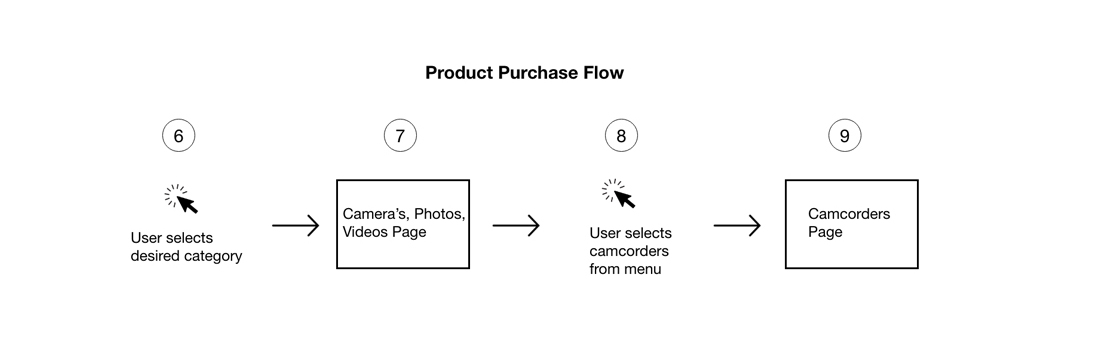
Task flows were documented to model key user actions, from browsing to purchase, enabling identification of friction points and opportunities for optimization.

Wireframes

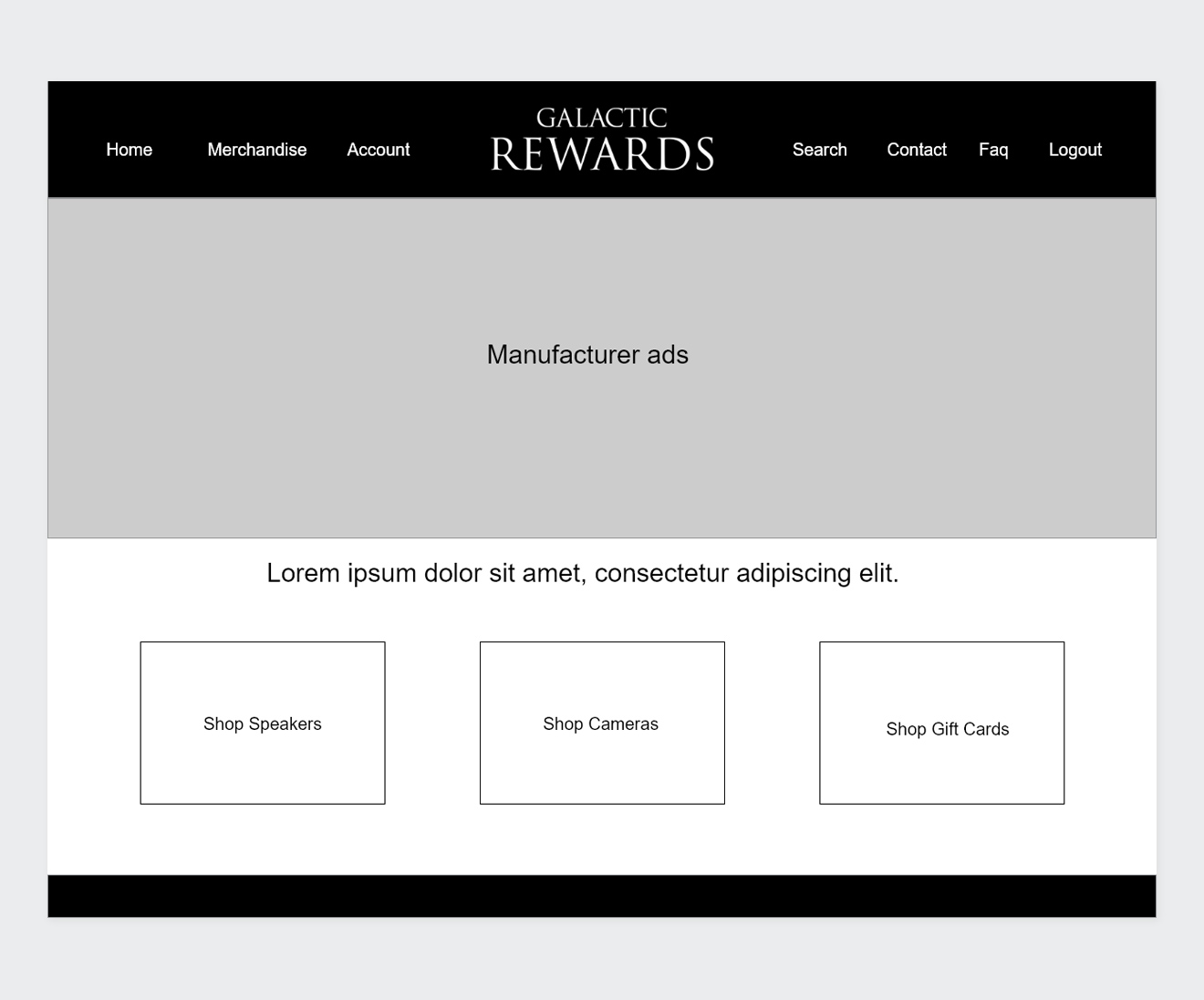
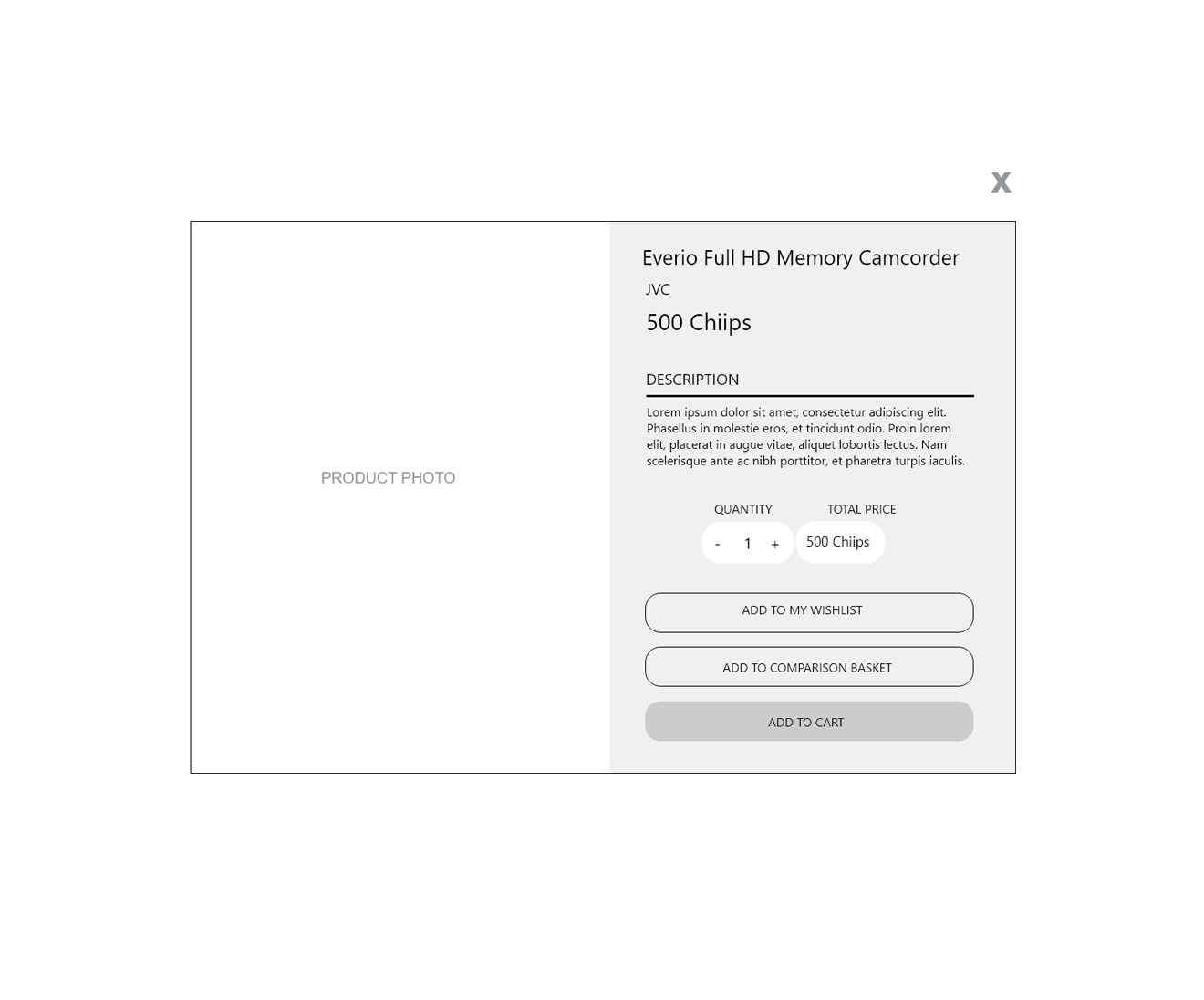
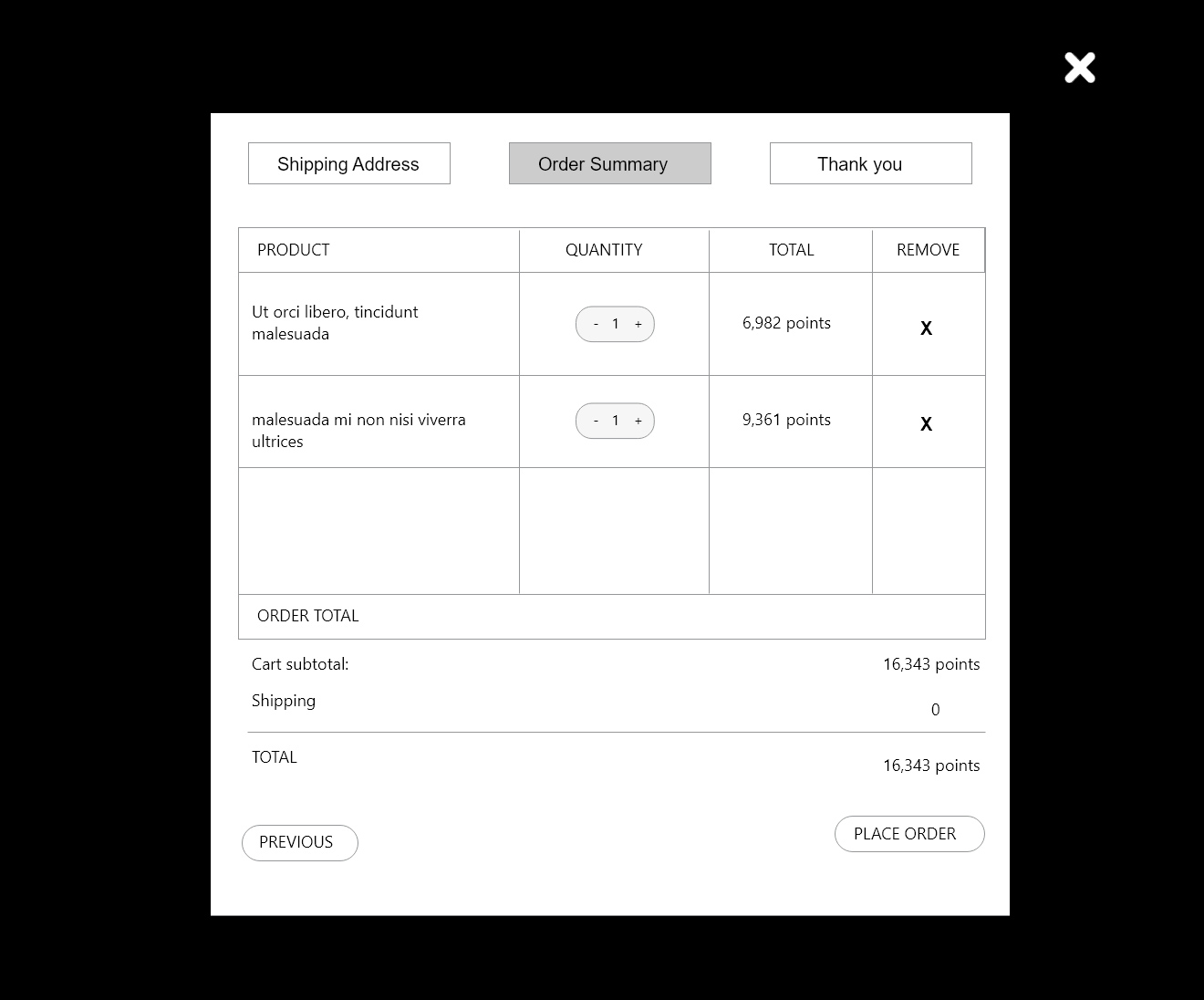
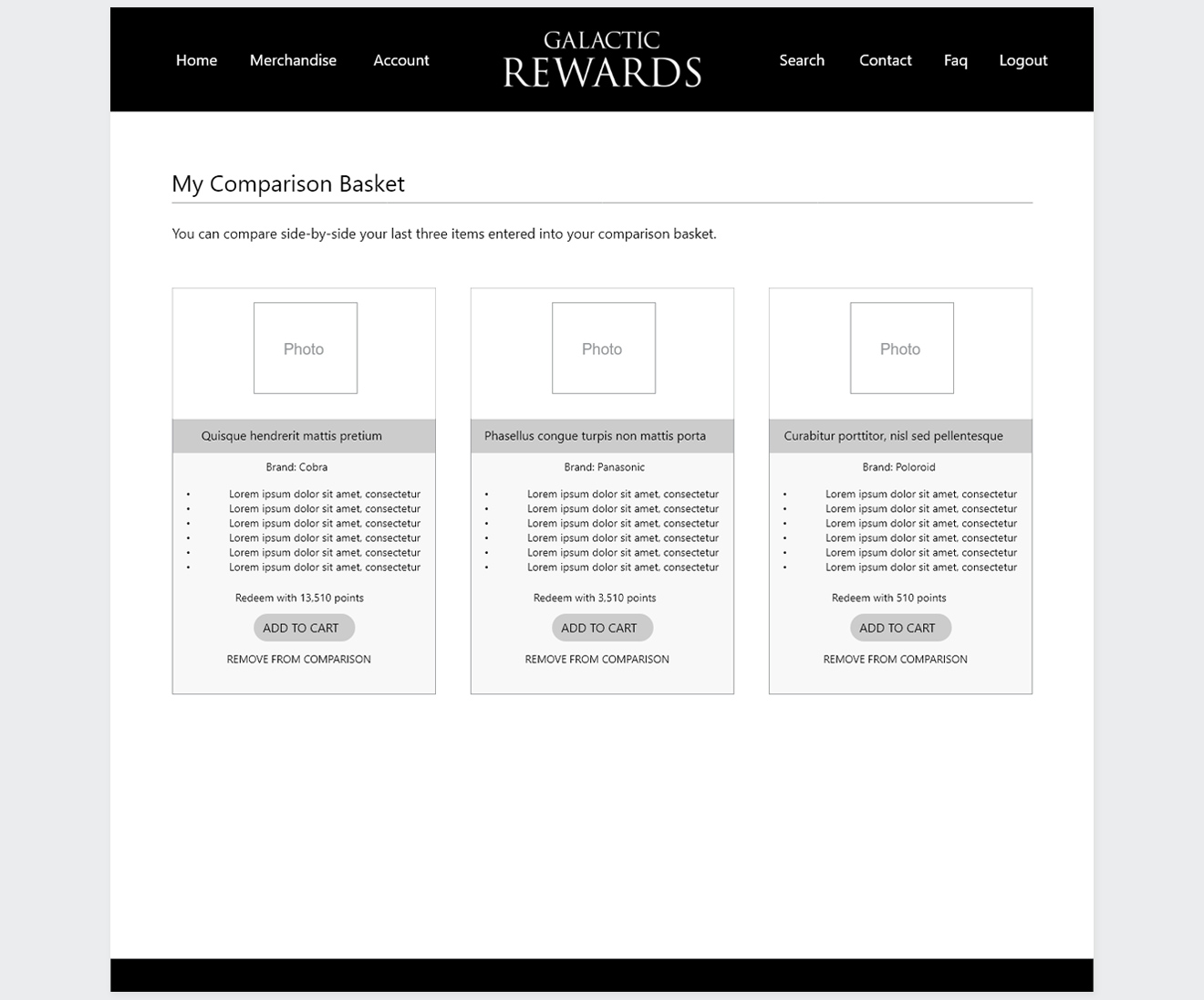
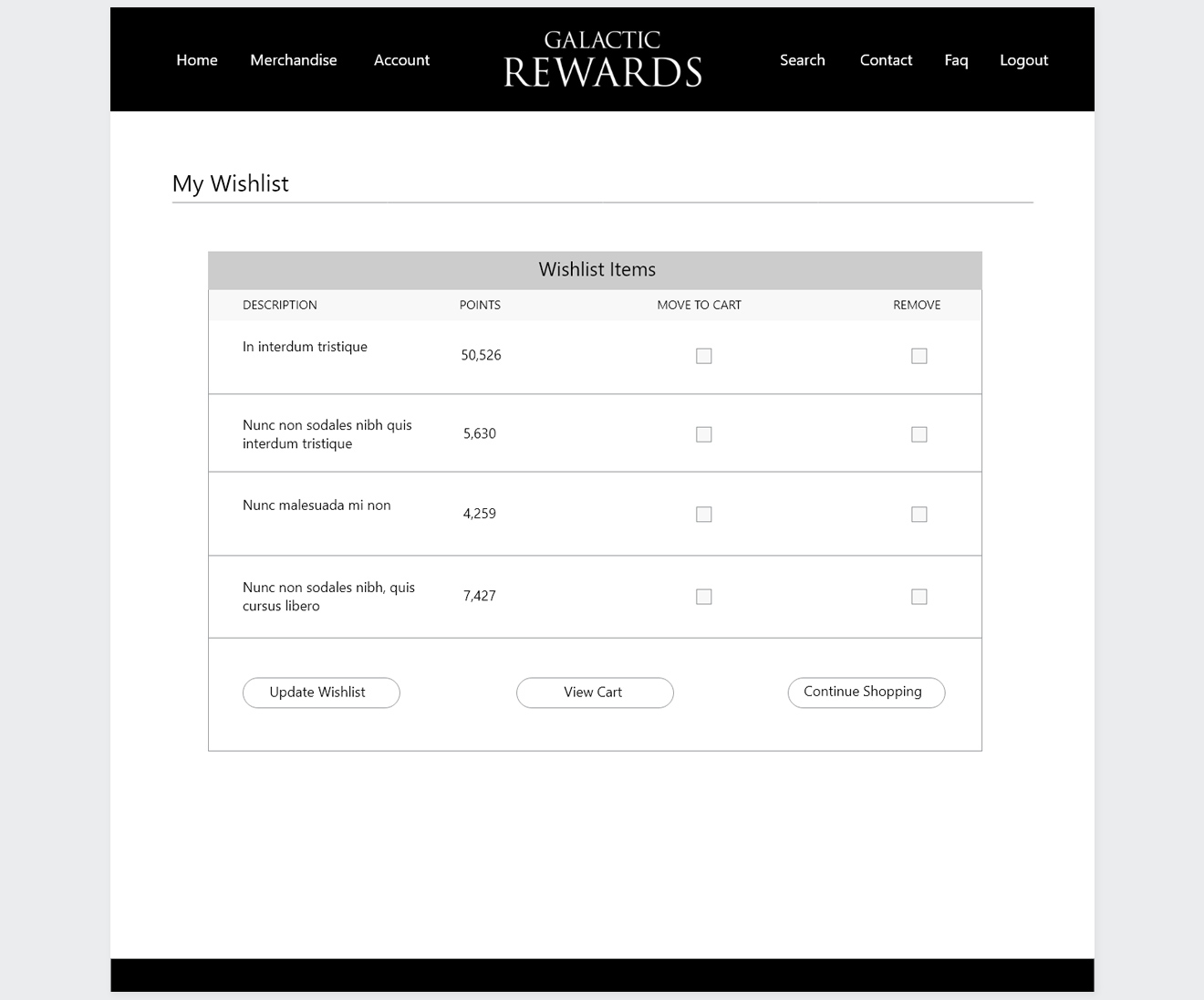
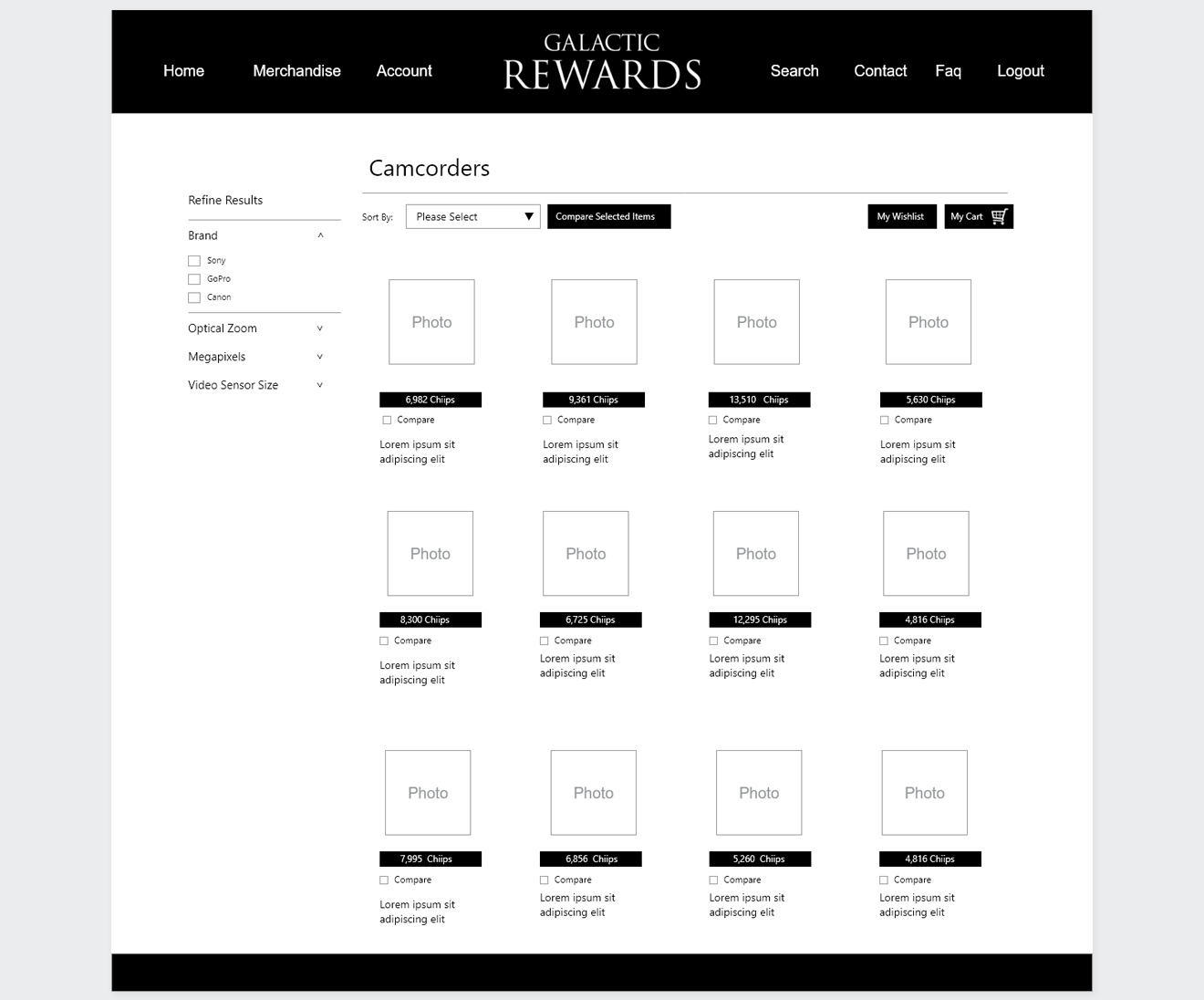
Wireframes structured the catalog to reduce cognitive load and streamline product discovery, providing a clear blueprint for measurable improvements in click-through and conversion metrics.

User Interface Mockups


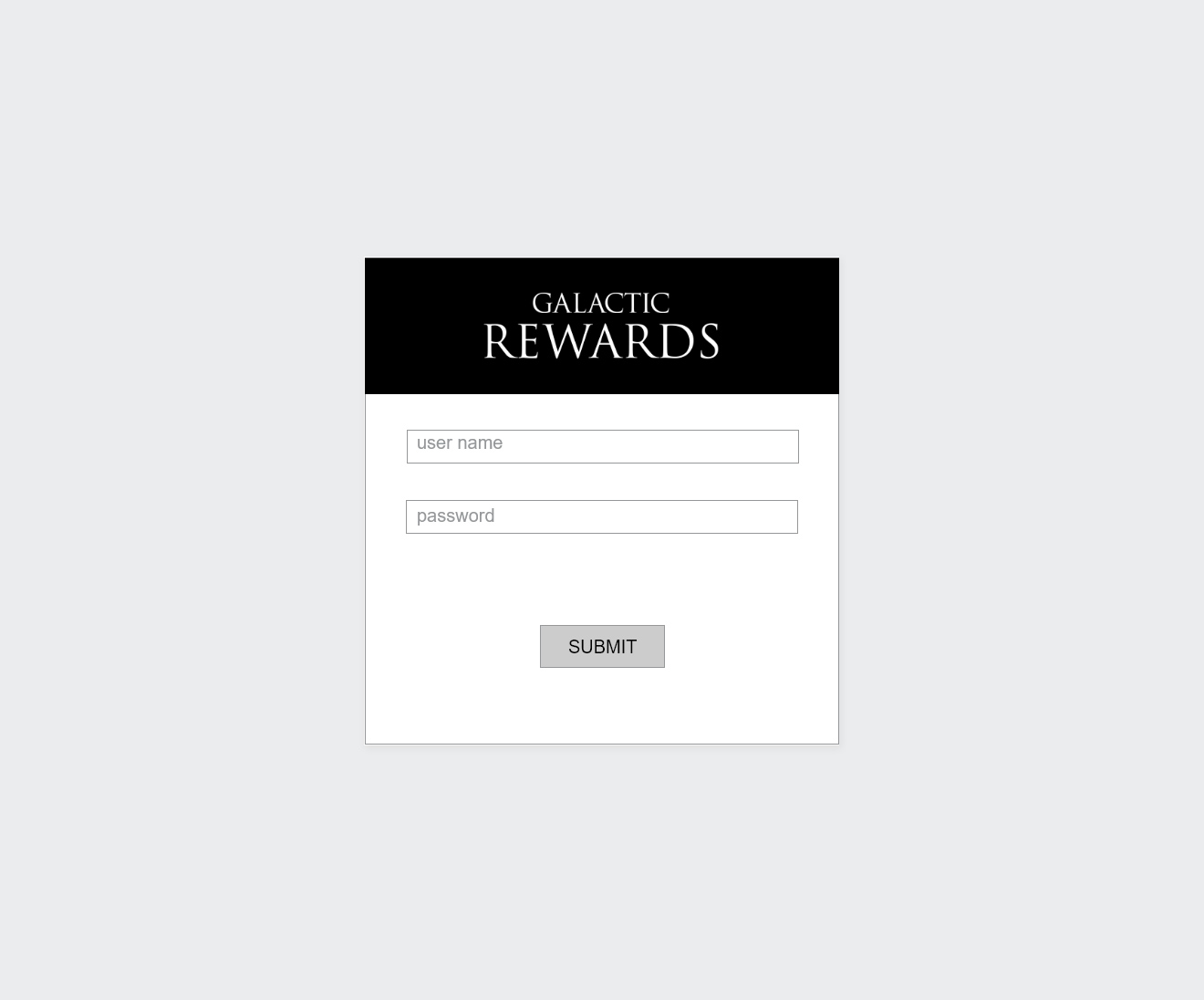
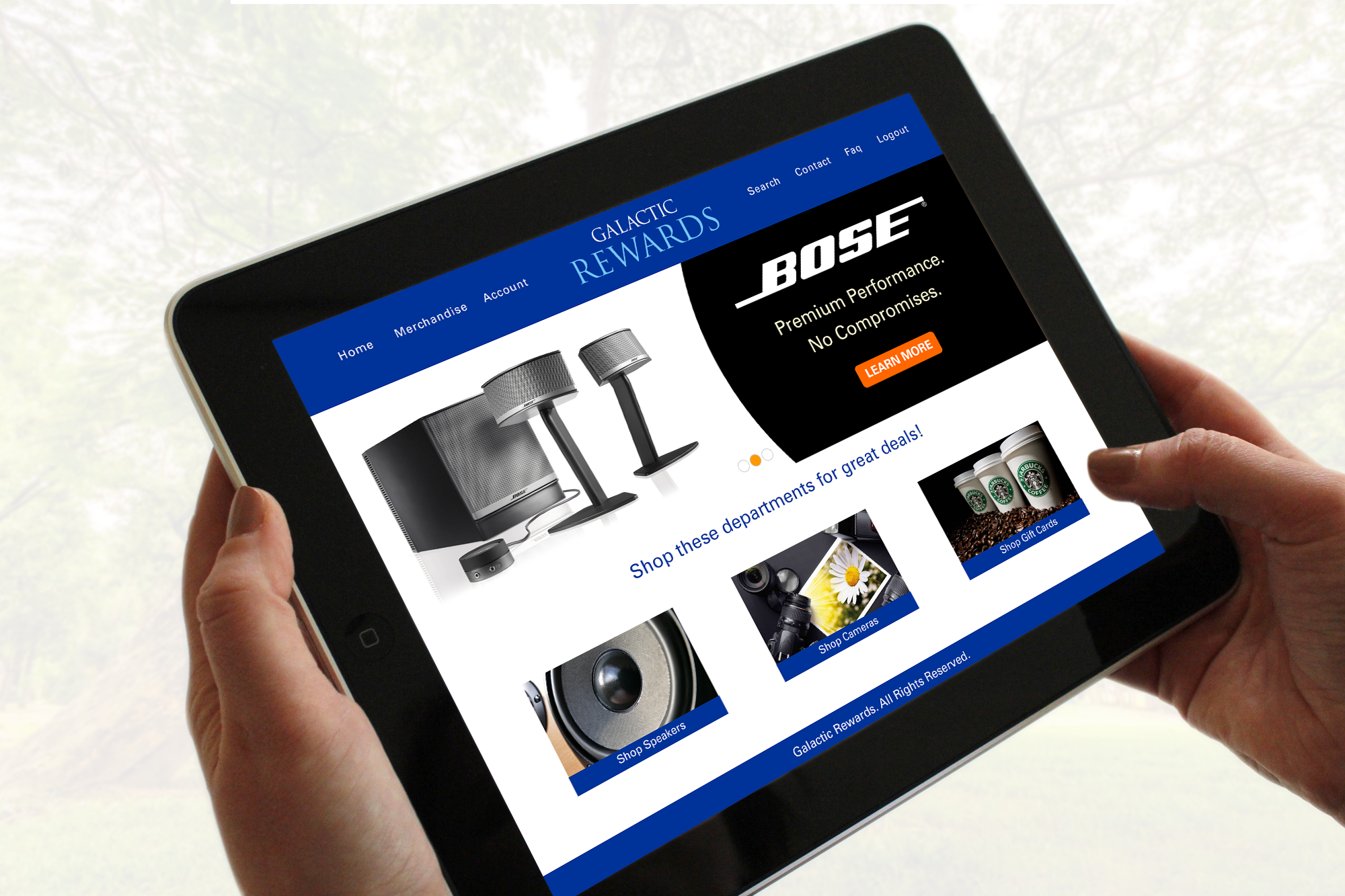
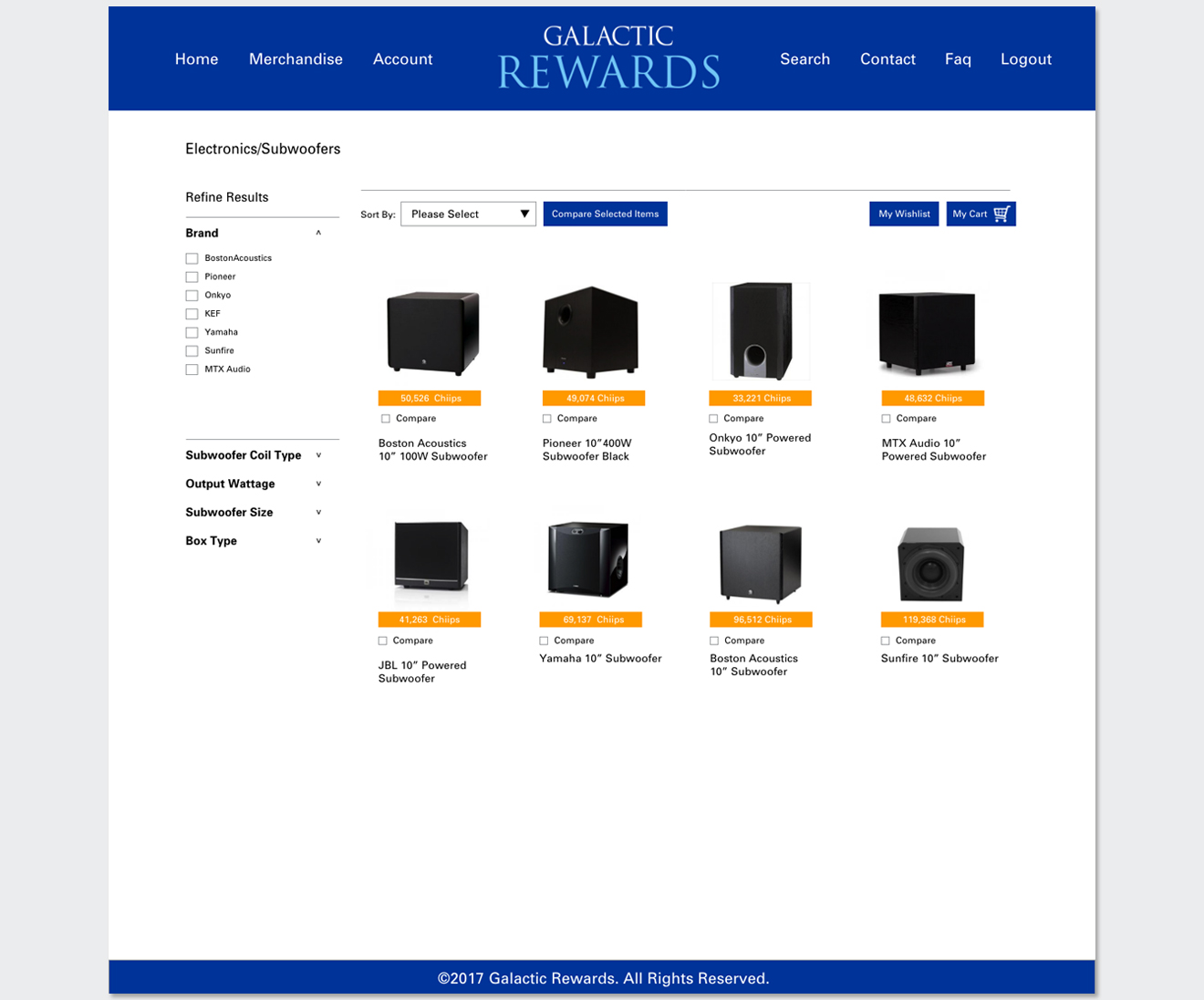
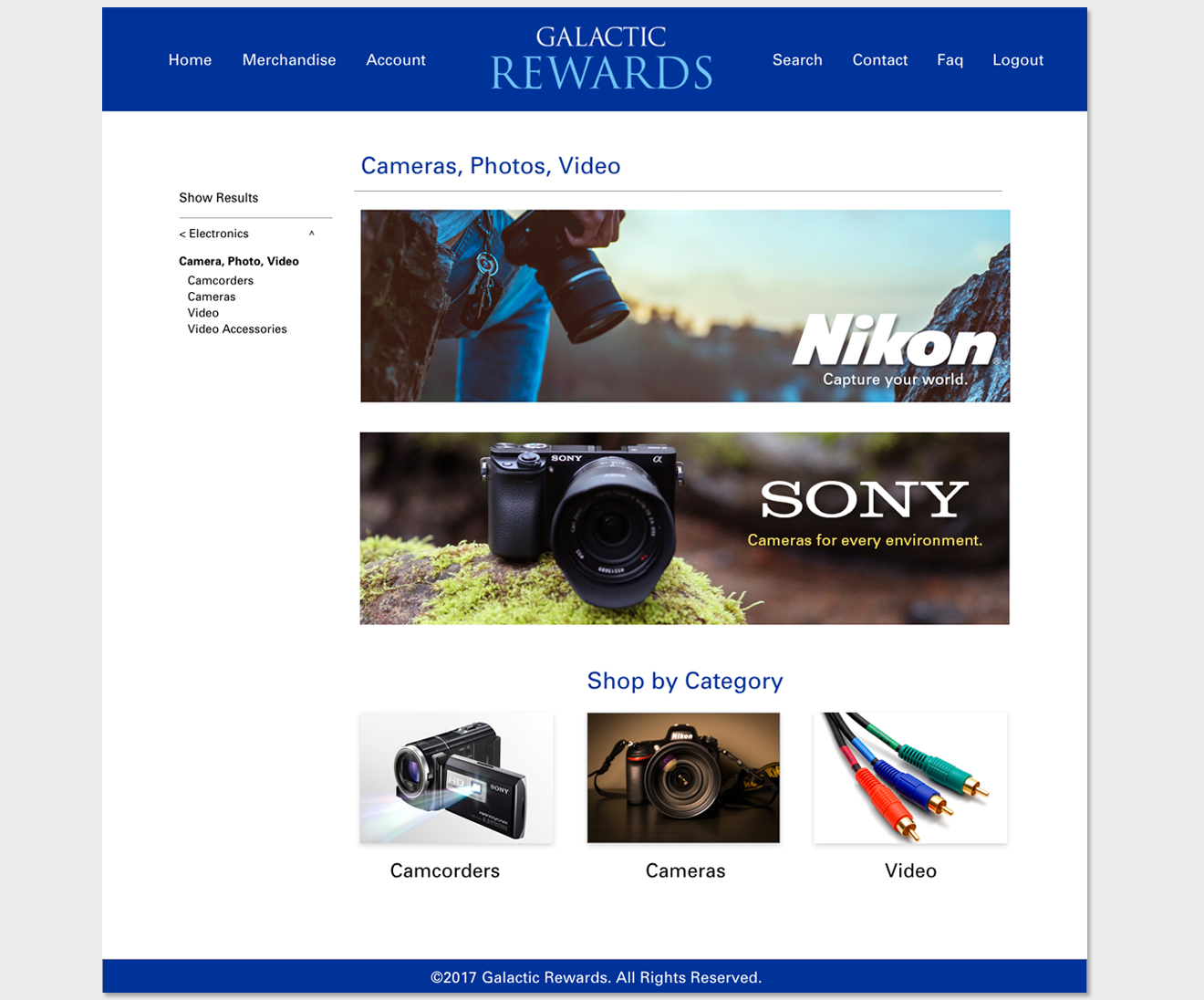
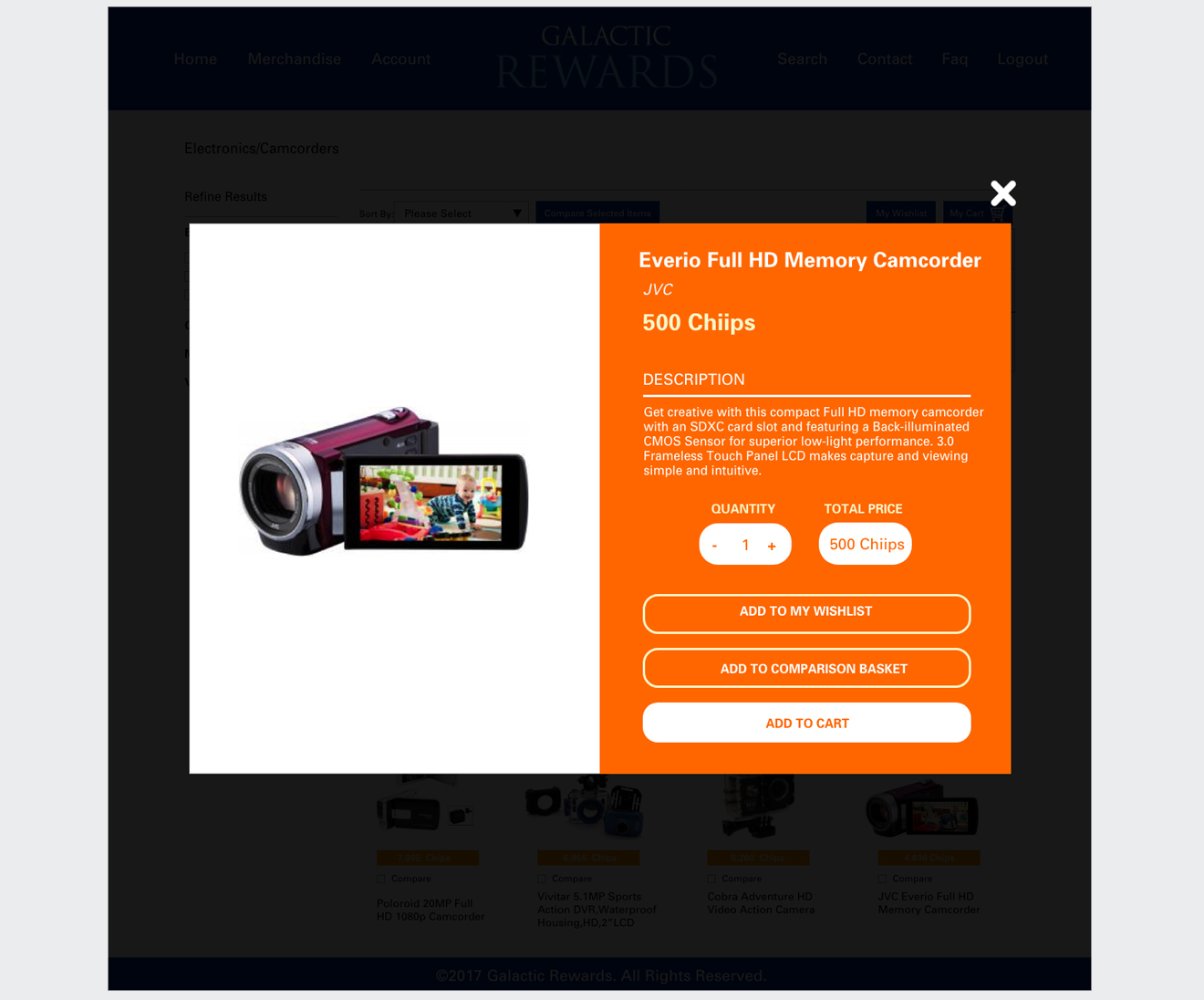
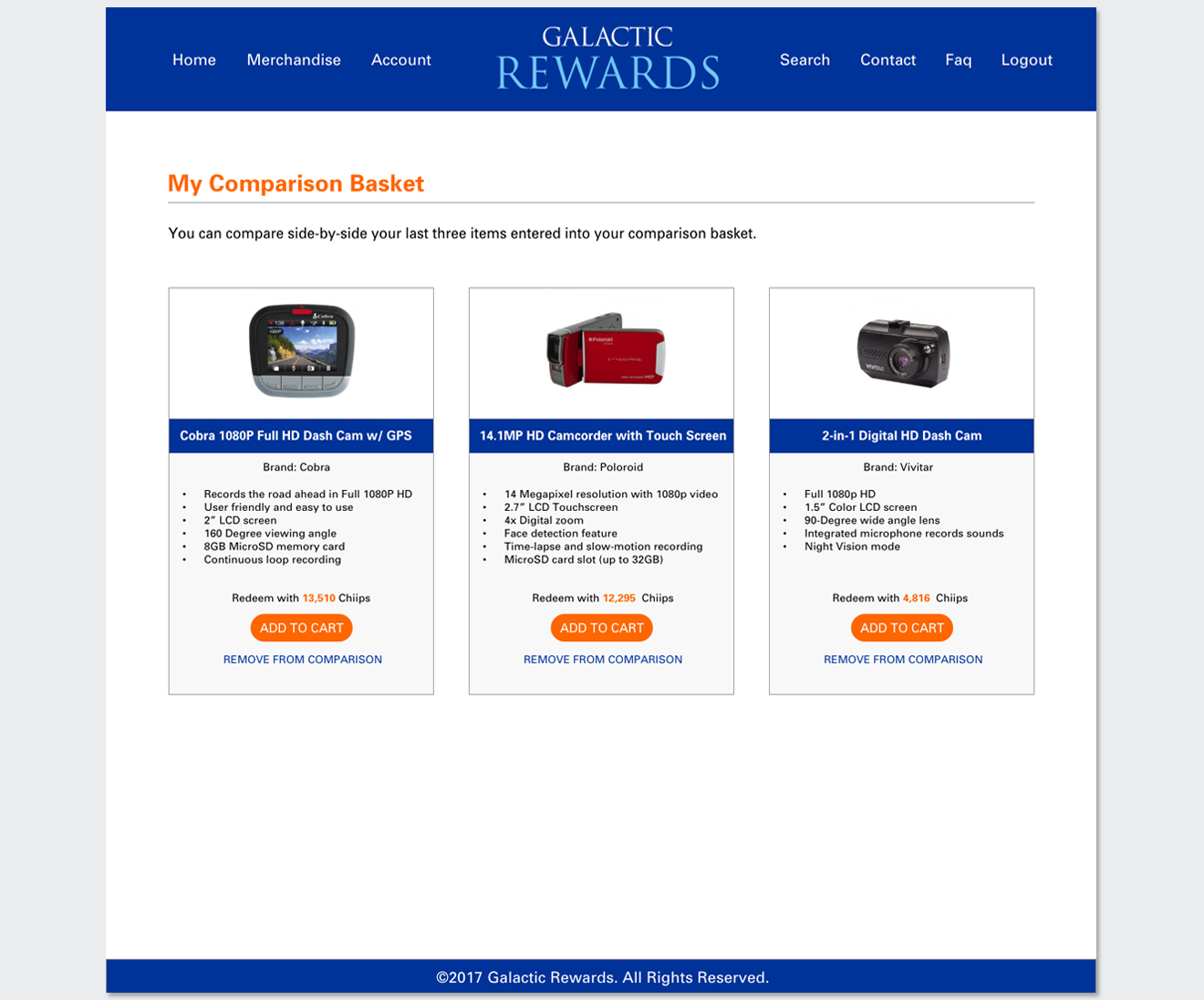
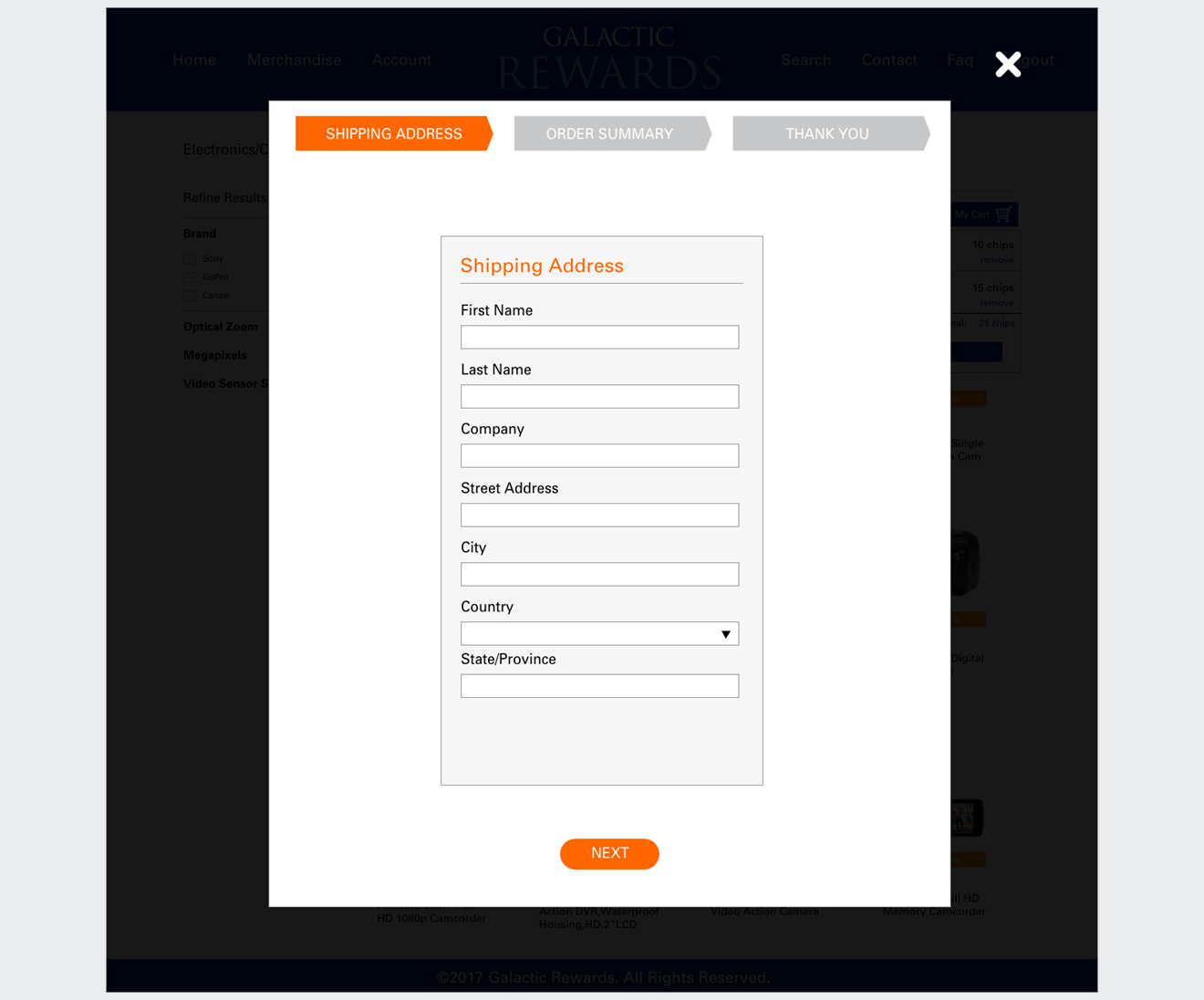
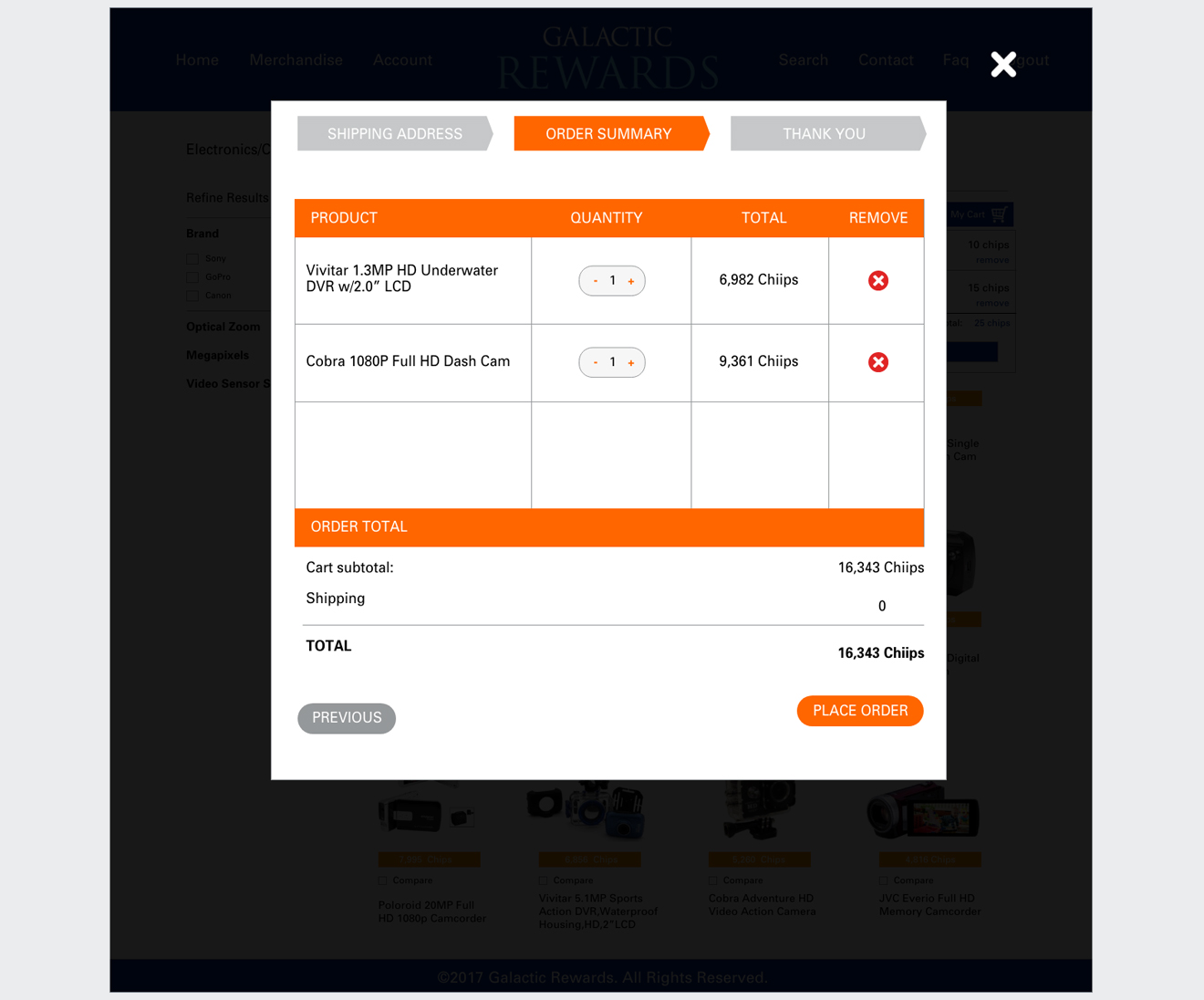
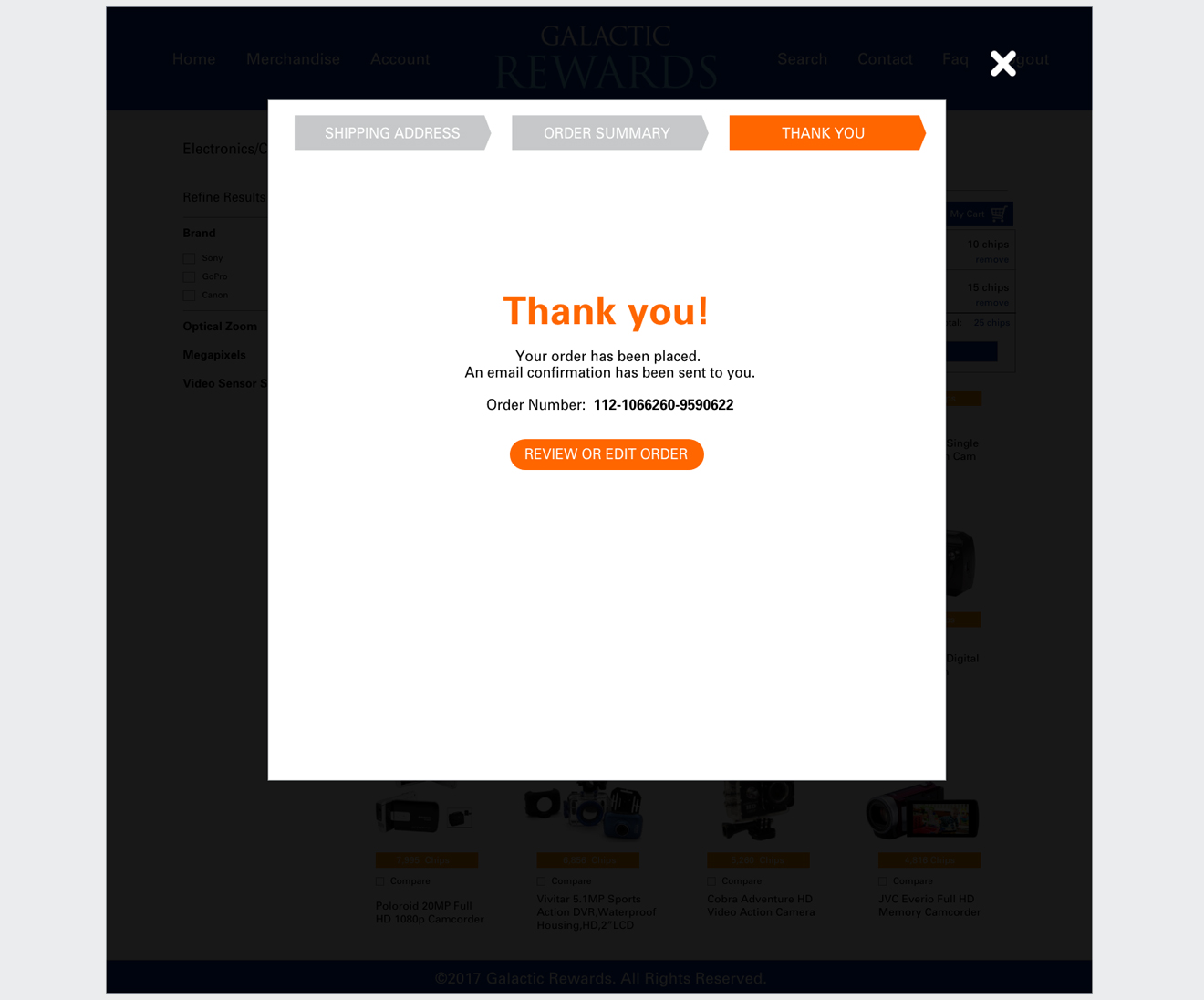
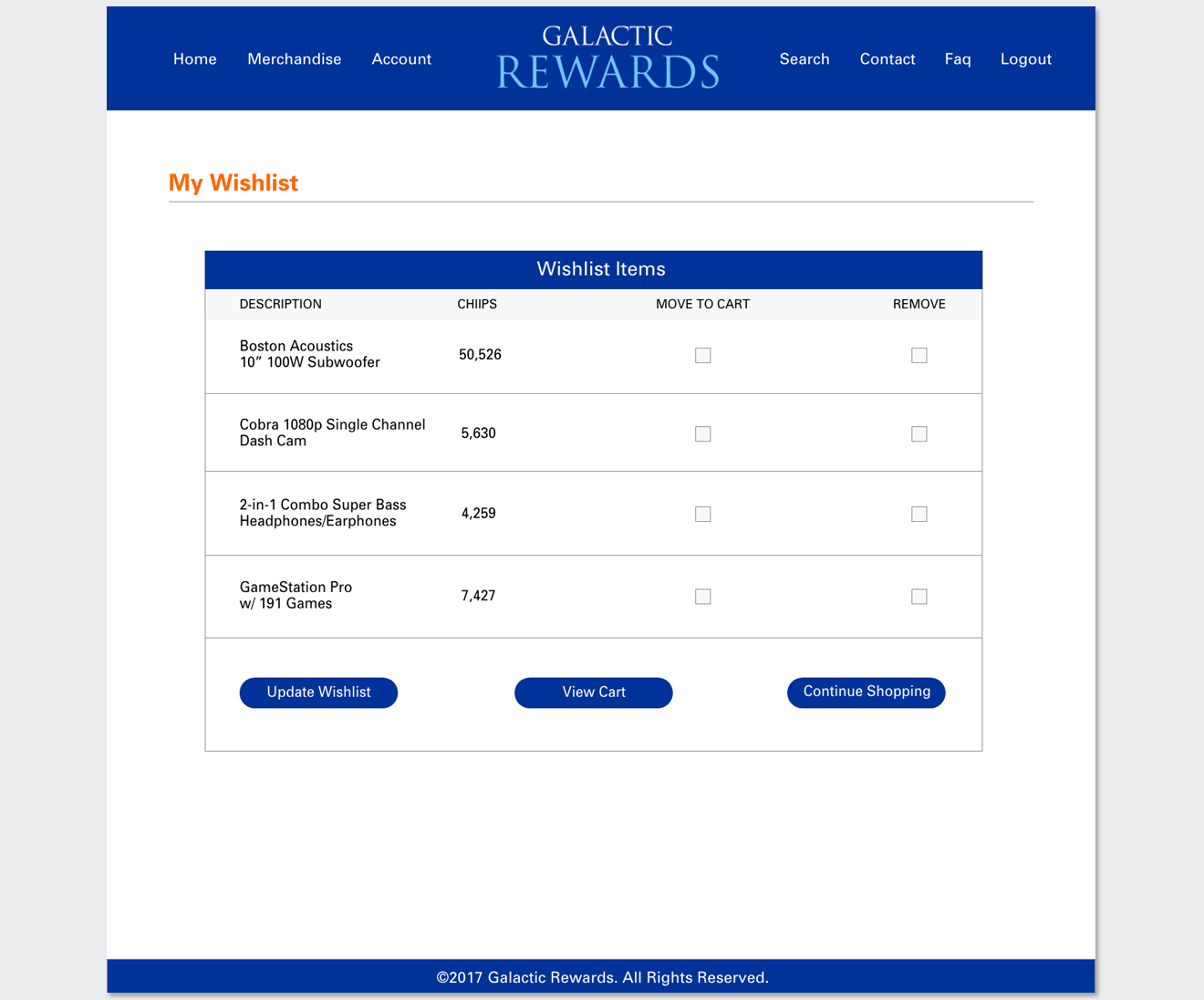
Once the wireframes were approved, my next step was to create high-fidelity mockups. Since the main focus of the project was the structure of the catalog, supporting pages such as FAQs and Contact Us were omitted from the layout.

Prototype


High-fidelity mockups and an interactive Azure prototype allowed stakeholders to validate the design against KPIs, including anticipated improvements in user engagement, time-on-site, and task completion rates.

VIEW PROTOTYPE

Conclusion


The redesigned catalog was validated by stakeholders and positioned for future implementation. Strategic improvements, such as optimized navigation and targeted filters, laid the foundation for measurable increases in engagement, usability, and ROI of the incentive program’s digital touchpoints.